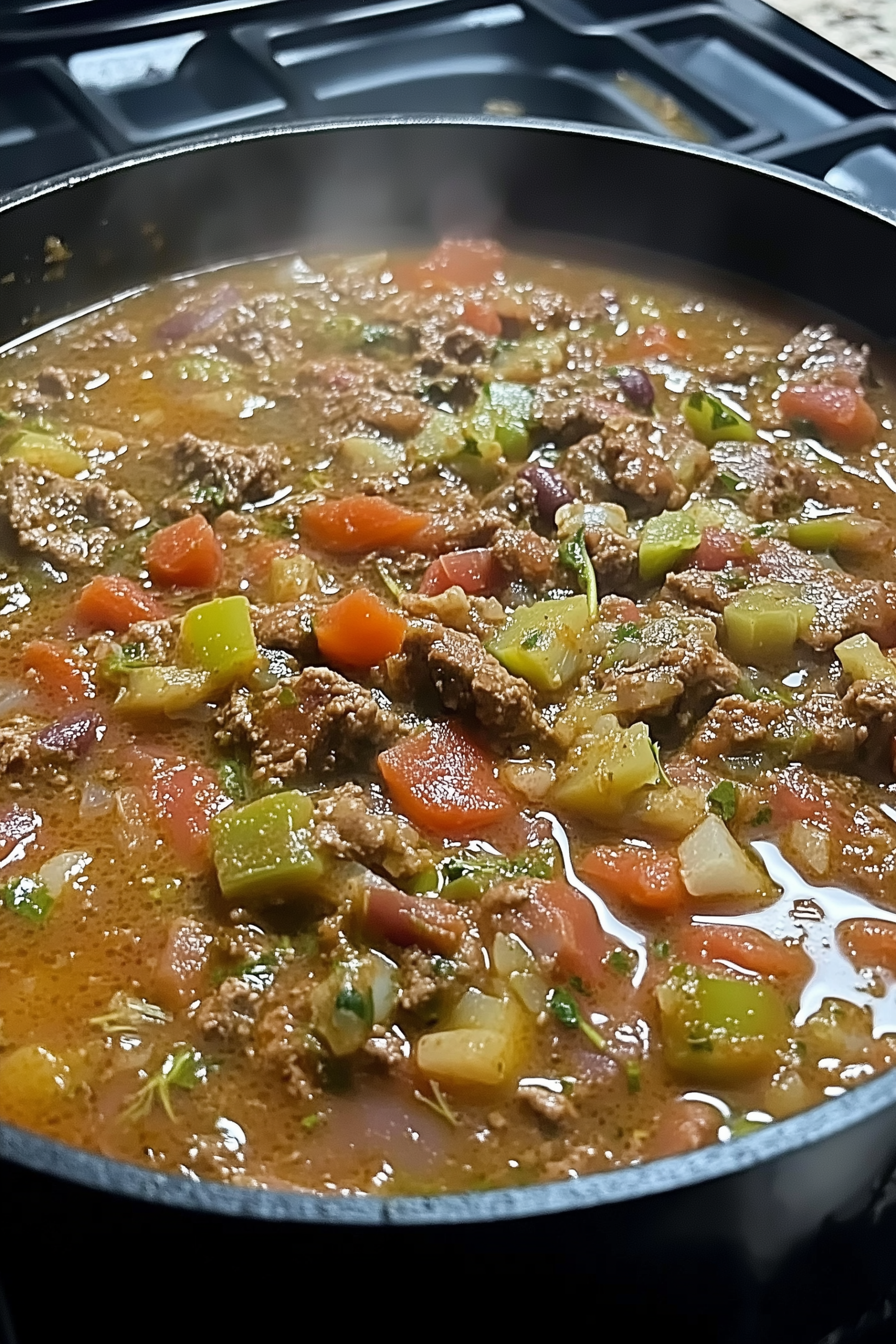
Authentic Chile Verde: Roasting Secrets for Deep Flavor
Few dishes capture the soul of Mexican cuisine quite like Chile Verde. This beloved stew, with its fall-apart tender chunks of pork swimming in a vibrant, savory green chili sauce, is a staple across taquerias and homes alike. While many chile verde recipes deliver a satisfying meal, achieving that profound, authentic flavor requires a secret weapon: roasting. It's not just about charring the peppers; it's about transforming every key ingredient with the intense heat of the oven, unlocking layers of sweetness, umami, and earthy depth that a simple simmer can't achieve.
For over a decade, enthusiasts have been perfecting their approach to this iconic dish, discovering that the true magic happens when tomatillos and aromatics join the chilies in a fiery embrace before blending. This meticulous char-roasting technique elevates a good green chili to an unforgettable one, making every spoonful a testament to the power of thoughtful preparation.
The Roasting Revolution: Why Every Ingredient Deserves the Heat
The foundation of an extraordinary Chile Verde lies in its salsa verde, and that foundation begins with fire. Many traditional recipes focus primarily on roasting green chilies, which is certainly crucial for their smoky notes and easy peeling. However, the true game-changer, the secret that elevates your chile verde recipe from good to gourmet, is extending that roasting treatment to the tomatillos, onions, and garlic.
- Tomatillos: The Unsung Heroes of Umami
Raw tomatillos are notoriously tart. While their acidity is essential for balancing the richness of the pork, direct puréeing can lead to a one-dimensional, overly sour sauce. Roasting tomatillos, on the other hand, performs a culinary miracle. The high heat coaxes out their natural sugars, intensifying their sweetness and developing a deep umami flavor. Their skins blister and char, adding a nuanced smokiness that compliments the chilies beautifully. This caramelization process is key to achieving a complex, well-rounded salsa that sings with vibrant, yet mellow, notes.
To prepare, simply remove their papery husks, wash away the sticky residue, and line them on a baking sheet. Crucially, poke holes in each tomatillo with a skewer or knife to prevent them from bursting violently in the oven. Roast until they are soft and their tops are beautifully charred.
- Aromatics: Earthy Depth vs. Sharpness
Garlic and onions, fundamental to any savory stew, undergo a remarkable transformation when roasted. Instead of the pungent, sharp flavors they impart when raw or sautéed briefly, roasting brings out their inherent sweetness and gives them an earthy, mellow character. This deeper flavor profile integrates seamlessly into the green chili sauce, providing a grounding base that supports the brighter notes of the peppers and tomatillos without overpowering them. Quartered onions can be roasted alongside the chilies, while garlic cloves can be added in the last few minutes or roasted separately if preferred.
- Chili Peppers: The Smoky Foundation
Of course, the chili peppers themselves are non-negotiable for roasting. A classic blend for chile verde often includes Anaheim, Poblano, and Jalapeño peppers. Anaheim peppers provide a mild, slightly fruity base; Poblanos add a deeper, earthier chili flavor with a bit more heat; and Jalapeños bring a bright, fresh kick. For those who crave more heat, a serrano pepper or two can be added. Roasting these peppers until their skins blister and char not only infuses them with a rich, smoky flavor but also makes them incredibly easy to peel, removing the tough outer skin and preparing them for a smooth sauce. Remember to poke holes in them too to prevent steam buildup and potential explosions.
Crafting the Perfect Green Chili Sauce: Beyond the Blend
Once your peppers, tomatillos, and aromatics have been beautifully roasted, the journey to a sublime salsa verde continues. The art lies in blending these ingredients thoughtfully and then balancing the flavors to perfection. Achieving the ideal texture and taste is paramount for any authentic homemade chile verde sauce.
First, allow the roasted vegetables to cool slightly so they are safe to handle. For the peppers, gently peel off the charred skin – don't worry if a few tiny bits remain, they only add character. Split them open, remove the stems, and scrape out the seeds. Chef's Tip: The light green membranes that hold the seeds contain most of the capsaicin, so if you prefer a milder chili verde, remove these membranes thoroughly. Always consider wearing gloves when handling hot peppers to avoid skin irritation.
Transfer the cleaned peppers, roasted onions, roasted tomatillos (along with any delicious accumulated juices from the baking sheet), and roasted garlic to a blender or food processor. Puree the mixture until smooth, or slightly chunky if you prefer a more rustic texture. You may need to do this in batches, depending on the size of your appliance.
Now, for the critical balancing act. Roasted tomatillos offer a fantastic depth, but their inherent acidity still needs a counterpoint. A small amount of honey (about a teaspoon or two, to taste) works wonders here, rounding out the sharpness without making the sauce overtly sweet. This subtle touch enhances the overall harmony of the flavors, creating a more sophisticated profile. Beyond that, a truly exceptional chile verde sauce benefits immensely from a rich liquid base, which leads us to the heart of the stew.
The Heart of the Stew: Tender Pork & Aromatic Spices
While the green chili sauce provides the vibrant soul, the pork is undeniably the heart of the Chile Verde. Achieving fall-apart tender meat is crucial, and it starts with the right cut and proper preparation.
- Choosing Your Pork: Pork shoulder, often labeled "Boston butt," is the ideal choice. Its generous marbling ensures that it remains incredibly moist and tender during the long, slow cooking process. Cut the pork into 1 to 1.5-inch chunks to allow for even browning and absorption of flavors.
- The Marination Method: This is where another layer of flavor is built. Instead of simply seasoning the pork and browning it, marinating the pork cubes with a simple yet potent blend of spices beforehand makes all the difference. For an authentic chile verde recipe, spices like ground cumin and a hint of cinnamon are traditional and incredibly effective. Toss the pork chunks with these spices, ensuring they are well coated.
- Browning for Depth: Once marinated, the pork is ready for browning. In a heavy-bottomed pot or Dutch oven, brown the pork in batches until beautifully caramelized on all sides. This step is not just about color; it's about developing the Maillard reaction on the surface of the meat, creating savory, complex flavor compounds. An added bonus of marinating is that as the pork browns, the spices toast in the hot oil, releasing their intoxicating aromas and infusing the meat from the very start. Once all the pork is browned, you'll be left with a delicious fond (the browned bits) at the bottom of the pot – don't scrape it yet; it's pure flavor waiting to be incorporated.
Assembling Your Authentic Chile Verde
With your deeply flavorful green chili sauce and beautifully browned, spiced pork ready, it’s time to bring everything together into the comforting embrace of the stew. This stage is where patience truly pays off, as slow simmering transforms individual components into a cohesive, rich, and unforgettable dish.
Deglaze your pot with a splash of chicken stock, scraping up all those delicious browned bits from the bottom. This "fond" is concentrated flavor that will enrich your sauce. Return the browned pork to the pot. Now, pour in your vibrant, roasted green chili sauce. Stir everything together, ensuring the pork is well coated and submerged in the flavorful liquid.
The choice of liquid is critical here. While water will technically work, using a high-quality chicken stock will significantly deepen the umami profile of your chile verde. Homemade chicken stock is always ideal, offering unparalleled richness, but a good quality store-bought low-sodium stock is a perfectly acceptable alternative. Add enough stock to just cover the pork and sauce mixture. Bring the stew to a gentle simmer, then reduce the heat to low, cover the pot, and let it cook slowly.
This slow cooking process, typically for 2 to 3 hours, is where the magic happens. The tough collagen in the pork breaks down, rendering it incredibly tender and succulent, literally falling apart with the touch of a fork. Meanwhile, the flavors of the roasted vegetables, spices, and pork meld and deepen, creating a harmonious and complex stew. Stir occasionally to prevent sticking and ensure even cooking.
Towards the end of the cooking time, check the consistency. If it's too thick, add a little more stock or water. If it's too thin, you can uncover the pot for the last 30 minutes of simmering to allow some liquid to evaporate. Finally, stir in a generous handful of fresh cilantro for a burst of herbaceous freshness just before serving. Taste and adjust seasoning as needed – a pinch more salt or a squeeze of lime can brighten the flavors further.
Your truly authentic perfected chile verde is now ready to be enjoyed. It’s incredibly versatile, serving wonderfully as a filling for burritos and tacos, or simply on its own with a side of Mexican rice and warm corn tortillas. It also freezes exceptionally well, making it a fantastic meal prep option for busy weeknights.
Conclusion
Creating an authentic Chile Verde is a culinary journey, a testament to how simple techniques can yield extraordinary results. By embracing the secret of high-heat roasting for not just the chilies, but also the tomatillos and aromatics, you unlock an unparalleled depth of flavor. This method transforms simple ingredients into a rich, complex, and irresistibly delicious stew that is far greater than the sum of its parts. The tender pork, infused with toasted spices and swimming in a robust green chili sauce, offers a comforting warmth that satisfies the soul. So, roll up your sleeves, preheat that oven, and prepare to discover the true magic of this beloved Mexican classic. Your taste buds will thank you for taking the time to master this truly exceptional chile verde recipe.
