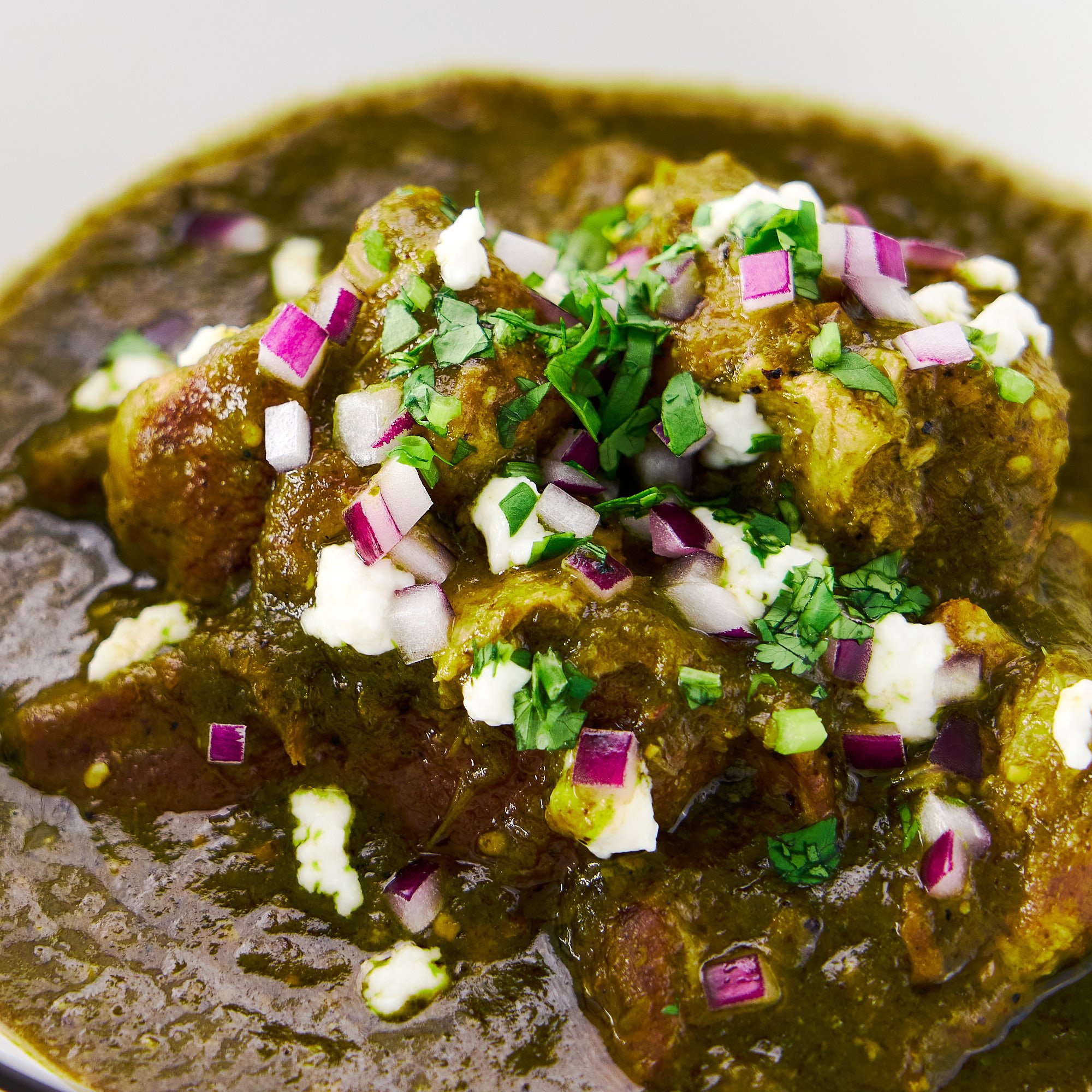
Homemade Chile Verde Sauce: Crafting Perfect Roasted Salsa
There's something truly special about a homemade sauce, and few are as deeply flavorful and versatile as a perfectly crafted Chile Verde. Often synonymous with a hearty pork stew, the heart of any exceptional perfected chile verde dish lies in its vibrant, complex green chili sauce. This isn't just any salsa verde; it's a rich, aromatic concoction born from the transformative magic of roasting. Forget bland, watery green sauces – we're diving deep into creating a roasted salsa that will elevate everything it touches, from simple tacos to elaborate stews.
Many home cooks might shy away from making sauces from scratch, but the secret to an irresistibly delicious homemade chile verde recipe is surprisingly straightforward: the roast. While some recipes might call for raw tomatillos, the true depth of flavor emerges when key ingredients are char-roasted, bringing out an unparalleled sweetness, umami, and earthy richness that cannot be replicated. Get ready to discover how to prepare this incredible roasted green chili sauce that will become a staple in your kitchen.
The Heart of the Matter: Why Roasted Ingredients Make All the Difference
What sets an extraordinary chile verde sauce apart from a merely good one? The answer lies in the intense flavor development achieved through roasting. This crucial step is often overlooked or minimized, but it's the foundation of a truly authentic and deeply satisfying green chili experience. When you roast your vegetables, you're not just cooking them; you're unlocking layers of flavor through caramelization and the Maillard reaction.
- Tomatillos: These tart, vibrant fruits are the backbone of any salsa verde. Roasting them brings out their inherent sweetness, mellows their acidity, and imparts a subtle smokiness. Unlike raw tomatillos, which can yield a brighter but sometimes flatter flavor, roasted tomatillos contribute a profound umami that gives the sauce a remarkable depth.
- Chili Peppers: Whether you're using Anaheim, Poblano, or Jalapeño peppers, roasting them until the skins blister and char not only makes them easier to peel but also intensifies their chili flavor and adds a smoky dimension. The heat mellows slightly, becoming more integrated and less sharp.
- Aromatics: Onions and garlic, when roasted alongside the peppers and tomatillos, transform. They become softer, sweeter, and take on an earthier, more profound flavor profile. This slow-roasted quality contributes a foundational layer of complexity to the overall sauce.
By investing this initial time in roasting, you're building a flavor profile that is robust, balanced, and incredibly aromatic. It's the difference between a sauce that merely tastes green and one that sings with smoky, sweet, and savory notes.
Selecting Your Peppers for the Perfect Heat and Flavor Profile
The choice of chili peppers is paramount in defining the character of your homemade chile verde sauce. A balanced blend ensures both heat and nuanced flavor.
- Anaheim Peppers: These provide a mild, slightly sweet base flavor. They contribute body without overpowering heat.
- Poblano Peppers: Slightly hotter than Anaheims, Poblanos offer a rich, earthy flavor with a mild to medium kick. They are a cornerstone for depth.
- Jalapeños: For that signature green chili heat, jalapeños are essential. You can adjust the quantity based on your preference for spice. Remember that most of the capsaicin (which causes heat) is concentrated in the seeds and the light green membranes; removing these will significantly reduce the heat.
- Optional Additions: For those who crave more fire, a small amount of Serrano pepper can be added. If you have access to them, roasted Hatch chiles (seasonal) can also provide an incredible unique flavor.
Experimentation is key to finding your personal perfect heat level and flavor balance in your chile verde recipe.
Mastering the Roasting Process for Ultimate Flavor Extraction
The roasting technique is the true star in crafting an authentic chile verde with roasting secrets for deep flavor. It’s a simple process, but precision yields magnificent results.
Step-by-Step Roasting Guide:
- Preheat Your Oven: Crank your oven to its highest setting, ideally 500-540°F (260-280°C), or use the broiler setting if available. High heat is essential for achieving that perfect char.
- Prepare Peppers and Onions: Lay your Anaheim, Poblano, and Jalapeño peppers, along with quartered onions, on a baking sheet. Critically, poke several holes in each chili pepper using a skewer or knife. This prevents them from exploding in the intense heat.
- First Roast for Peppers and Onions: Place the baking sheet in the oven and roast for about 8-10 minutes. Look for the skins of the peppers to blister and begin to char. Remove the pan, flip everything (except the onions) to char the second side for a similar duration.
- Cool and Peel Peppers: Once charred, immediately transfer the peppers to a bowl and cover it tightly with plastic wrap or a plate. The steam trapped inside will loosen the skins, making them much easier to peel once cooled enough to handle.
- Prepare Tomatillos: While the peppers cool, remove the papery husks and stems from your tomatillos. Wash them thoroughly under cold water to rinse off their naturally waxy, sticky residue. Arrange them in a single layer on a clean baking sheet and, just like the peppers, poke a few holes in each to prevent bursting.
- Roast Tomatillos: Return the tomatillos to the hot oven and roast for 10-15 minutes, or until they soften, begin to burst, and show some charring on top. Remove from the oven and let them cool slightly.
- Clean and Deseed Peppers: Once the peppers are cool enough, peel off any loose bits of charred skin. Remove the stems and carefully split them open. Use a spoon to scrape out the seeds. For a milder sauce, also remove the white membranes connecting the seeds to the pod.
This methodical roasting process ensures every ingredient contributes its maximum flavor potential to your homemade chile verde recipe.
Assembling Your Perfect Homemade Chile Verde Sauce
With all your ingredients beautifully roasted and prepared, it's time to bring them together into a harmonious, robust sauce.
- Blend it Up: In a blender or food processor, combine the cleaned roasted peppers, roasted onions, roasted tomatillos (along with any accumulated juices from the baking sheet), and fresh cilantro. You may need to work in batches, depending on the size of your blender.
- Achieve Desired Consistency: Puree the mixture until it reaches your desired consistency. Some prefer a smoother sauce, while others enjoy a slightly chunkier texture. Don't over-blend if you want to retain some texture.
- Season and Balance: Transfer the blended sauce to a pot. Here’s where the magic happens. While the references discuss spices for marinating pork, for the *sauce itself*, you'll want to add a touch of honey to balance the acidity of the tomatillos and enhance their sweetness. A good quality homemade chicken stock is also invaluable here; it not only thins the sauce to the right consistency but also doubles down on the umami, making it incredibly rich. Season with salt to taste.
- Simmer for Flavor Fusion: Gently simmer the sauce for at least 20-30 minutes, allowing the flavors to meld and deepen. This simmering period is crucial for the sauce to fully develop its character. Stir occasionally to prevent sticking.
Beyond the Sauce: Pairing and Usage Ideas
Once you've crafted this incredible homemade chile verde sauce, its versatility will astound you. It’s far more than just a component for a stew.
- Stews and Braises: Naturally, it forms the perfect base for the classic pork or chicken chile verde stew. The rich, tender meat simmers in this sauce, absorbing all its incredible flavors.
- Tacos and Burritos: Spoon it over grilled meats, scrambled eggs, or even roasted vegetables for an instant flavor upgrade. It makes an exceptional filling for burritos and tacos.
- Enchiladas and Chilaquiles: Use it as a luscious sauce for green enchiladas or to drench crispy tortilla chips for a vibrant batch of chilaquiles.
- Eggs and Breakfast: A dollop over fried eggs or a breakfast burrito is a game-changer.
- Dipping Sauce: Serve it warm with tortilla chips for a sophisticated take on salsa.
This sauce can be stored in an airtight container in the refrigerator for up to a week or frozen for several months, making it perfect for meal prep.
Expert Tips for Your Best Chile Verde Recipe Yet
To truly master this chile verde recipe and elevate your sauce to professional standards, consider these additional insights:
- Don't Skimp on Roasting: The level of char significantly impacts the final flavor. Don't be afraid of a little blackening on the skins; it adds depth, not bitterness, once peeled.
- Taste and Adjust: Always taste your sauce before and after simmering. Adjust salt, honey, and even a squeeze of lime juice if you feel it needs more brightness.
- Quality Stock: Using homemade chicken stock, as highlighted in the reference, genuinely makes a difference. Its richness contributes layers of umami that store-bought varieties often lack.
- Spice Control: Remember, you can always add more heat, but it's hard to take it away. Start with fewer spicy peppers or remove all seeds/membranes, then add a touch of fresh finely minced jalapeño or serrano at the end if you want more kick.
- Fresh Cilantro: Add cilantro *after* the initial blending and just before the final simmer, or even fresh at the very end. Overcooking cilantro can diminish its vibrant flavor.
Crafting your own homemade Chile Verde sauce is a rewarding culinary journey. By embracing the power of roasting and balancing the rich flavors of your chosen peppers, tomatillos, and aromatics, you'll create a vibrant, deeply satisfying green chili sauce that stands head and shoulders above any store-bought alternative. This versatile sauce is not just an ingredient; it's an experience, transforming everyday meals into something extraordinary. So gather your ingredients, fire up the oven, and prepare to elevate your cooking with this incredible chile verde recipe.
